UBR 135,
1958 AC Aceca-Bristol
One of the more completely documented Aceca-Bristols in circulation: a matching-numbers 1958 car, one of just 169 built with Bristol's six-cylinder engine, carrying an unbroken six-decade history, and one unusual detail under the bonnet that sets it apart from any standard car.

Born in Thames Ditton, built for the Alps, and now at home on the edge of the North York Moors.
Built to drive, not to show
UBR 135 is not a concours car, and has never pretended to be one. It wears the patina of a machine that is used: some seven thousand continental miles across Spain and France, seat runners modified for long days at the wheel, a competition clutch fitted for the touring. The restoration was thorough and the documentation is impeccable, but the car earns its keep on the road, which is precisely what an Aceca-Bristol was built to do. That is the point of it, and, quietly, the best thing about it. Most recently it was out among five hundred classics at Mathewsons Live 2026, the kind of day it was built for.
Specification
Photographs
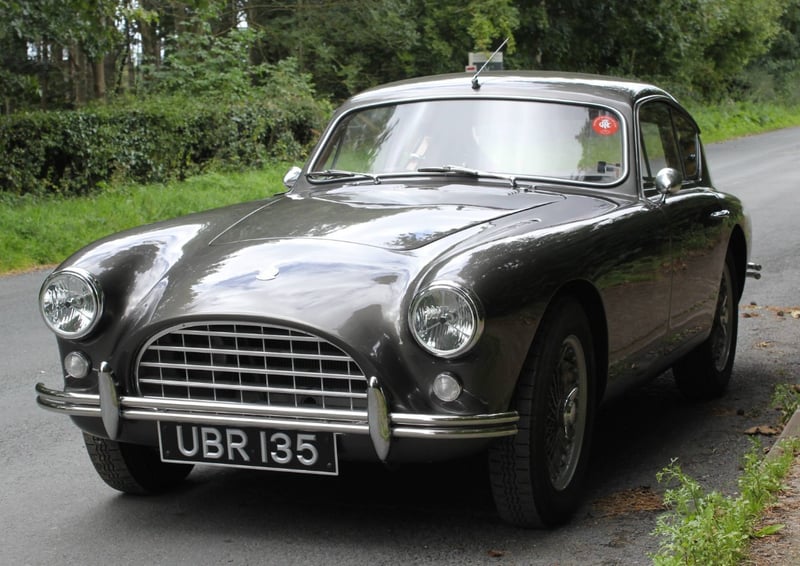
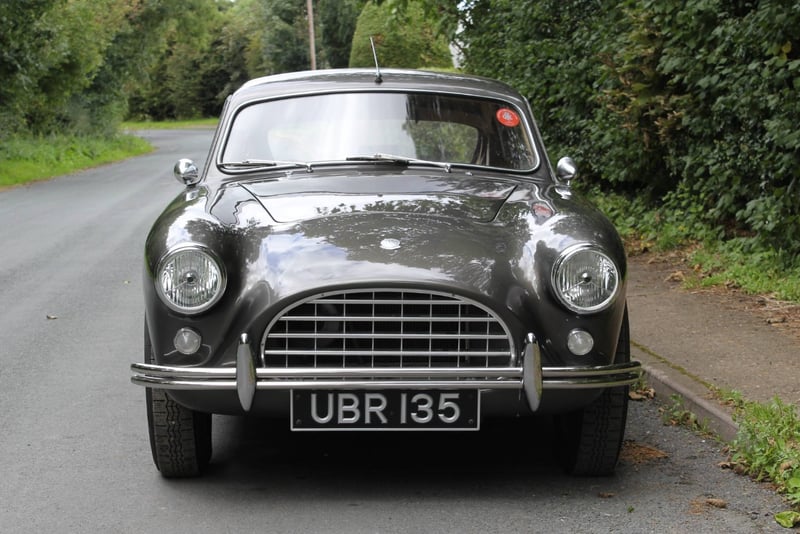
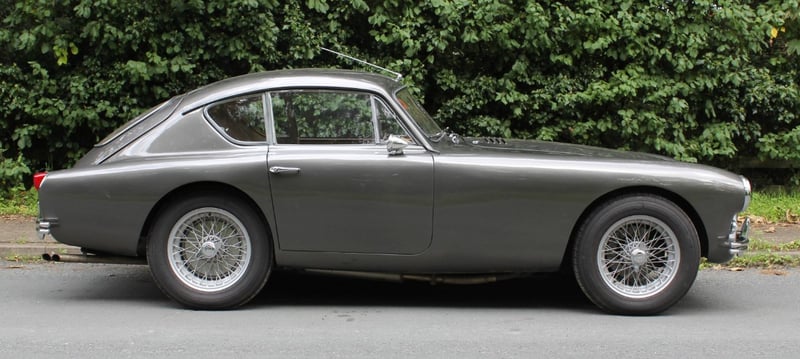
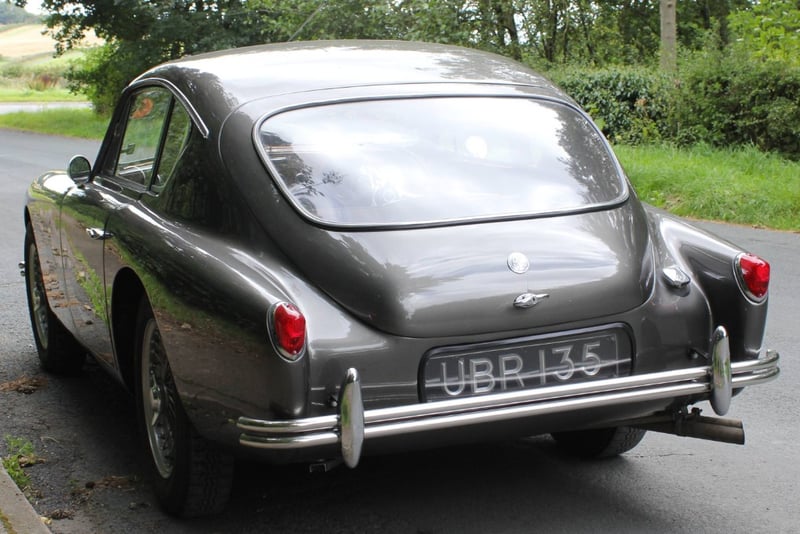
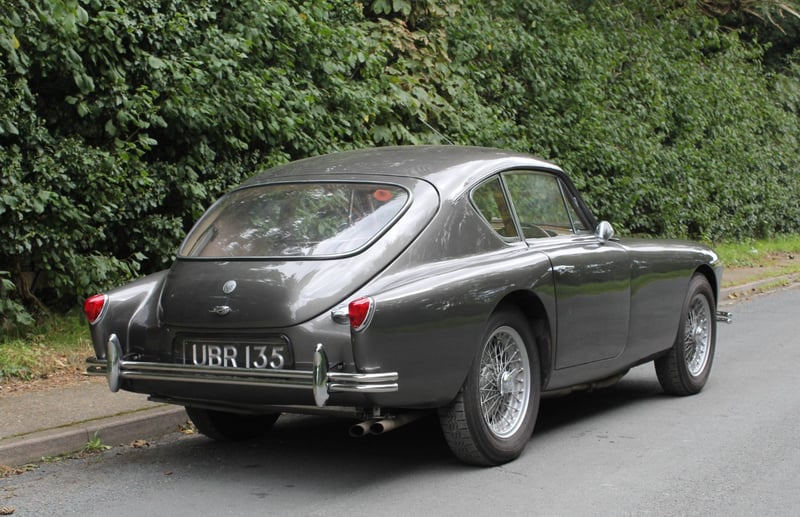
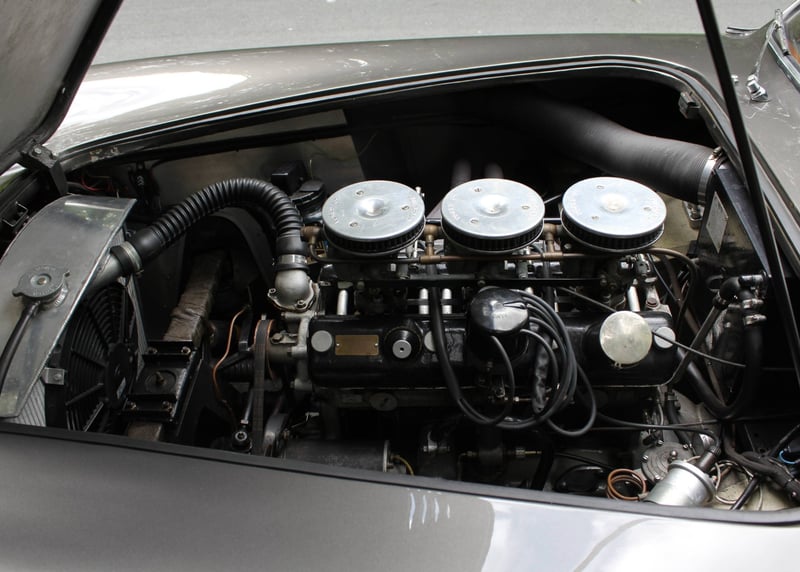
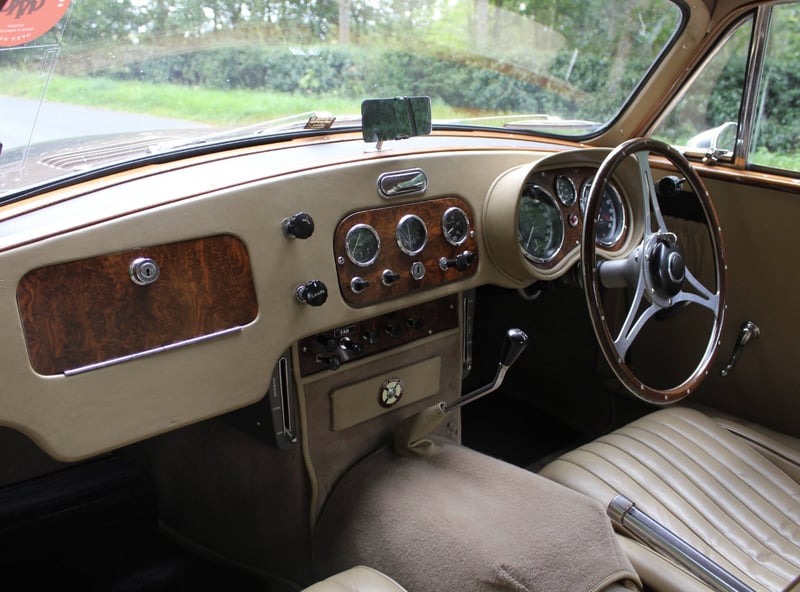
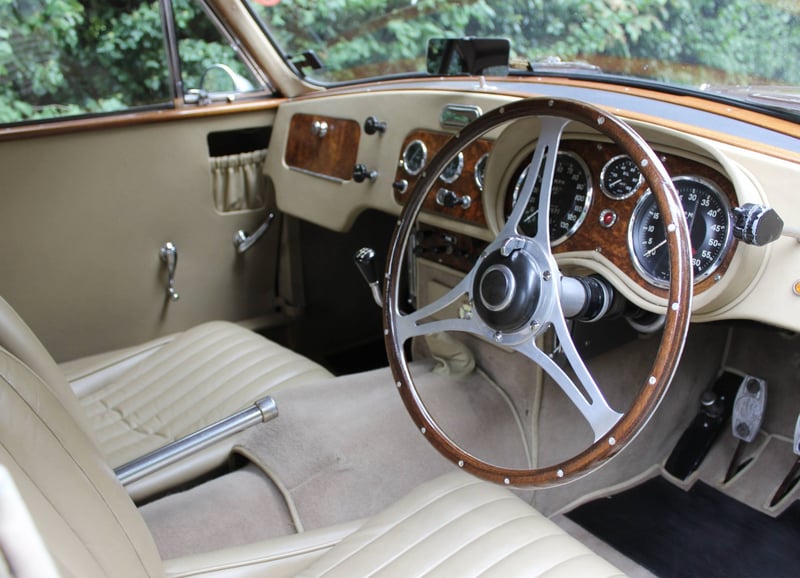
Eight views of chassis BE 700 as it stands today, following the restoration completed around 2010 and the recommissioning work since: body, engine bay and interior. Taken together they show what makes an Aceca-Bristol worth the fuss, a hand-beaten aluminium coupé body of a kind Britain stopped building within a decade, a race-bred Bristol six descended from the BMW 328, and production numbered in the low hundreds.
A life in six decades
- 1958
Left the AC works at Thames Ditton in October 1958, specified from new with disc brakes and overdrive, and registered UBR 135. It was supplied by KN Rudd, Ken Rudd, the man who pioneered the Bristol-engined AC and won the 1956 Production Sports Car Championship, to a Mr Alexander of Henley, and maintained in its early life by AC Cars itself.
- 1966
After a spell in Durham, sold in Newcastle-upon-Tyne to Richard Barnett, then a final-year Bristol University student, who bought it in March 1966 and would keep the car for a remarkable 41 years and build the comprehensive file of period invoices that still accompanies it.
- 1973/74 to 2007
A full overhaul was begun, but Barnett, a driving force behind the regeneration of Britain's inland waterways, set the project aside for the canals. From a canal-side cottage near Birmingham's Gas Street Basin, the Aceca was laid up on blocks for 34 years.
- 2007 to 2010
Bought by David Whitehouse, a fellow canal-and-AC enthusiast, who carried out a thorough three-year restoration, completed around 2010.
- The engine
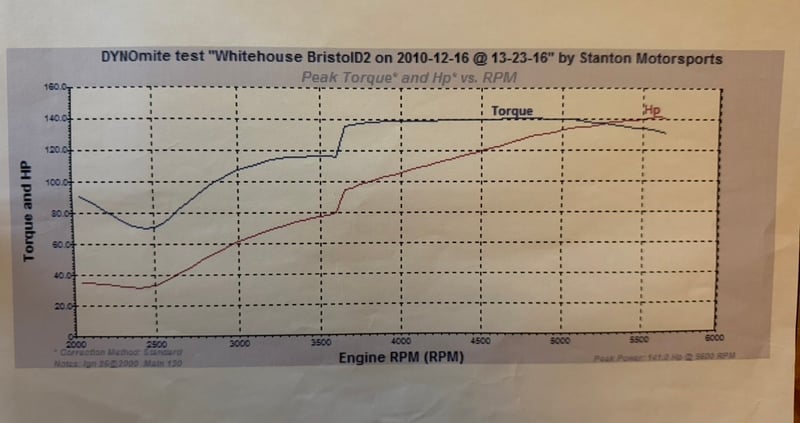
The Bristol engine was first rebuilt to standard specification but, found uninspiring, was entrusted to Steve Stanton of Stanton Motorsport, who rebuilt it with Cosworth pistons and a fast-road camshaft to give around 140 bhp at 5,500 rpm.
- c. 2010
After the restoration, the car passed briefly to Alistair Hacking, the well-known AC specialist, before the owner who would take it touring across Europe.
- 2011 to 2015
Extensive European touring followed: roughly 7,000 reliable miles across Spain and France, with maintenance by Stanton Motorsport and a new competition clutch, and further work by Bristol specialists Spencer Lane-Jones.
- 2017
Work on refurbishing all road wheels, uprated rear springs, bumpers, a new radio and modified seat runners.
- Today
After custodians in Sussex and Cheshire, the car remains in careful private ownership, recently recommissioned: a full service, the triple Solex carburettors sonic-cleaned and rebuilt, and tuning.
Supplied by Ken Rudd
One name in that history deserves more than the passing mention it gets above. Ken Rudd was, as much as anyone, the man who created the car this page celebrates. An AC agent who bought AC Ace in 1954 and raced it hard, Rudd grew impatient with AC's ageing in-house six and fitted a Bristol two-litre to his own car. At Goodwood's Easter meeting in 1956 he won the production sports-car race outright, beating a field that included a Mercedes 300 SL. AC took note, and from 1956 offered the Bristol engine as a factory option: the moment the Ace-Bristol and the Aceca-Bristol were born. Rudd is also credited with developing, on his own car, the front disc-brake conversion AC went on to adopt, the very brakes UBR 135 left Thames Ditton with in 1958.
Rudd's cars were serious racers, not merely fast road cars. He co-drove an Ace-Bristol at Le Mans in 1957 and finished second in class, and AC campaigned the model at the Sarthe every year from 1957 to 1959. In 1959 an Ace-Bristol took its class and finished seventh overall, a remarkable result for a two-litre, road-based sports car against far larger and more powerful machinery. That competition breeding is the same engineering that sits under UBR 135's bonnet.
The bloodline runs on from there. When Bristol wound its engine down at the turn of the 1960s, it was Rudd again who supplied the answer, the 'Ruddspeed' 2.6-litre Ford conversion, whose smaller grille would carry straight over to what came next. The Aceca's chassis is a strengthened version of the lightweight, Tojeiro-derived Ace design that Carroll Shelby later chose when he dropped a Ford V8 into the Ace to create the AC Cobra. The Aceca-Bristol is the elegant, closed grand-touring sibling of the car that became one of the most famous shapes in motoring, and UBR 135 sits one step upstream of the Cobra and one step downstream of the man who started it all.
Provenance & documentation
What raises UBR 135 above a merely tidy Aceca-Bristol is paper: the car travels with a history file that corroborates, rather than asserts, the story above.
It is also, provably, a matching-numbers car. The number stamped on the engine, 100B2/3823, is exactly the engine number recorded against chassis BE 700 in the AC six-cylinder register shown below, confirming that UBR 135 retains the very Bristol unit it left Thames Ditton with in 1958.
The car's original 1958 registration book survives, recording it as an AC Aceca-Bristol, a coupé of 1,971 c.c., first registered on 27 October 1958. The book notes the colour loosely as 'Brown'; AC Cars' own correspondence and the marque register confirm the factory colour as Black Pearl over Beige, a dark, brown-toned pearl.
- Factory build records confirming despatch from Thames Ditton in October 1958 and supply through K.N. Rudd.
- A letter from AC Cars Ltd dated 25 August 1966 confirming that Aceca-Bristol BE 700 was supplied in October 1958, was regularly serviced by the factory, and was finished in 'Pearl Black'.
- The entry for BE 700 in the AC six-cylinder register (Rinsey Mills), recording its 28 October 1958 build, its Black Pearl over Beige colour, its supply through Ken Rudd and its original Bristol engine.
- The original 1966 purchase invoice, recording Richard Barnett's purchase in Newcastle-upon-Tyne.
- Period Lloyds insurance documentation.
- Continuous MOT certificates running back to 1969.
- Period AC Cars service correspondence from the car's early life.
- The record of the three-year restoration completed around 2010.
- The Stanton Motorsport engine-build detail, covering the Cosworth pistons and fast-road camshaft.
- Touring and maintenance invoices from the European years and since.
The registration UBR 135 was assigned by Durham County Council, and the car is confirmed on the AC Owners' Club register as chassis BE 700. Personal details of previous owners are redacted where documents are shown.
Privacy: names, addresses and other personal details of former keepers are covered in the document images below.
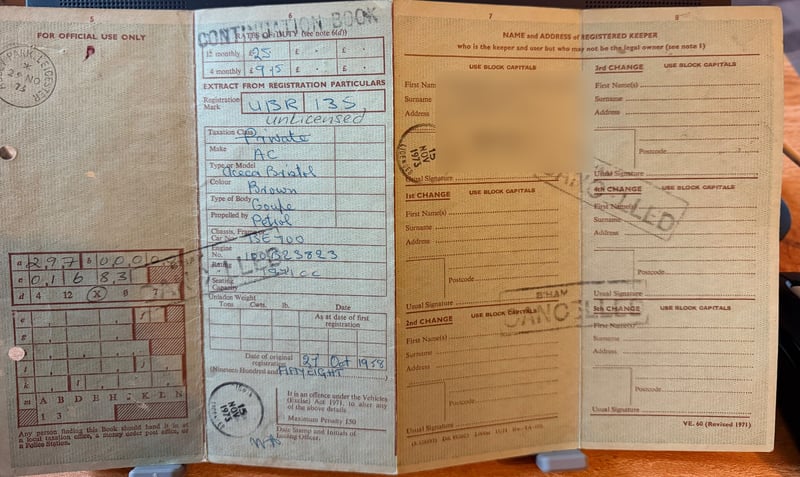
The continuation registration book records the car as an AC Aceca-Bristol coupé, 1,971 c.c., chassis BE 700, first registered 27 October 1958. The keeper's name and address are permanently blurred.
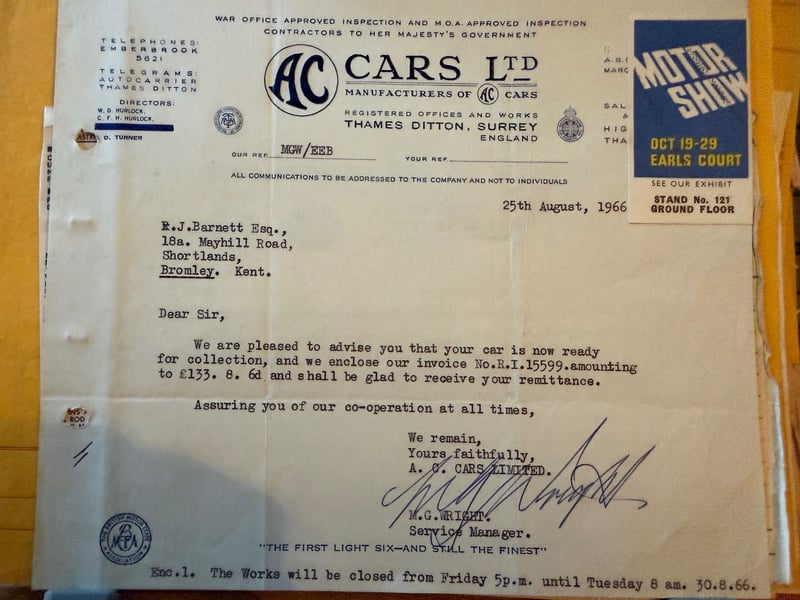
AC Cars Ltd, Thames Ditton, writing on 25 August 1966 to confirm the car was ready for collection, with the works invoice enclosed.
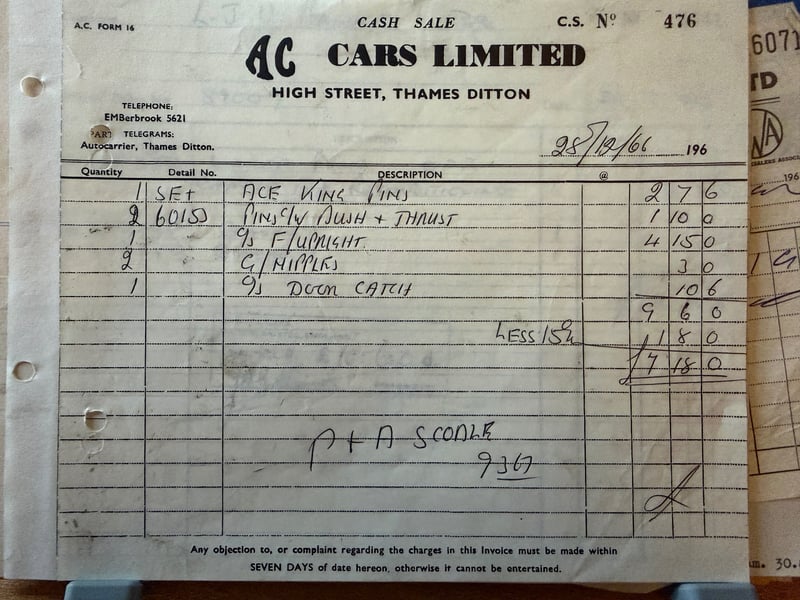
An AC Cars Limited cash sale docket from December 1966: king pins, pins with bush and thrust, a front upright, grease nipples and a door catch.
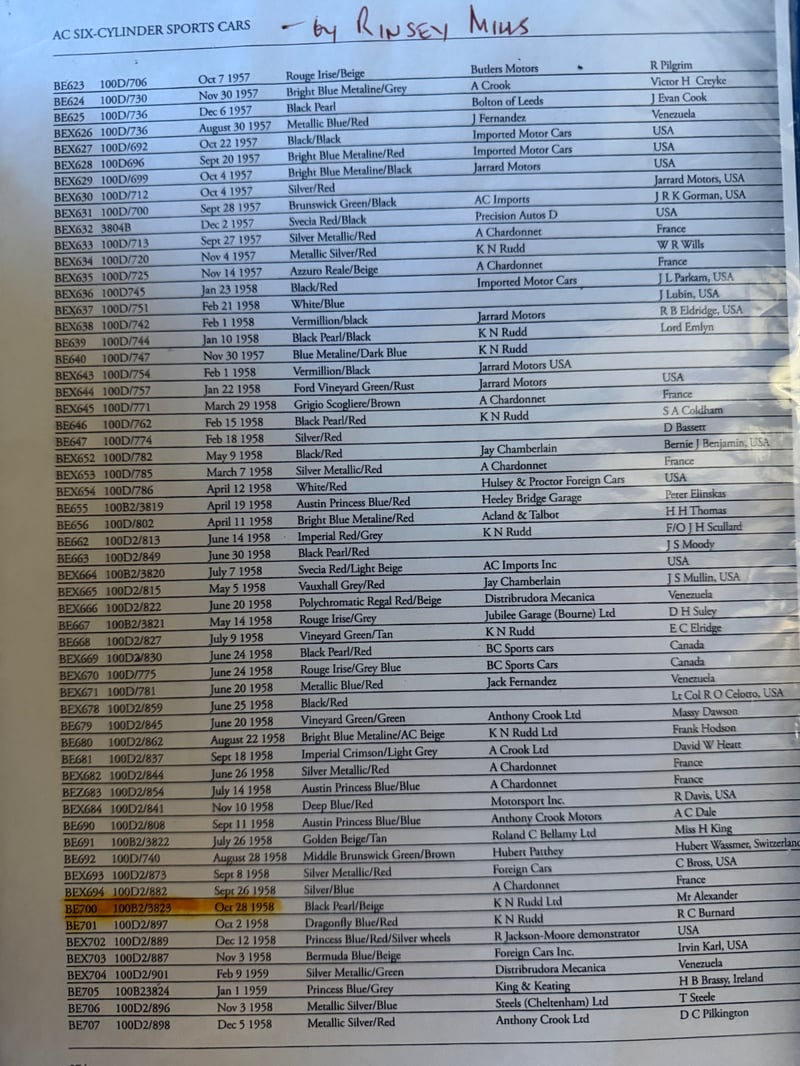
The AC six-cylinder register compiled by Rinsey Mills. The highlighted line reads BE700, engine 100B2/3823, despatched 28 October 1958 in Black Pearl over Beige through K N Rudd Ltd. The owner-name column is blurred by default.
The engine that sets it apart
The Bristol 100-series engine was already the making of the Aceca, a BMW-328-derived, cross-pushrod six that lifted the car from pleasant to genuinely quick. What makes UBR 135 unusual is that its engine was taken a step further. Rebuilt to standard first and found wanting, it was handed to Steve Stanton, who fitted Cosworth pistons and a fast-road camshaft with matching valve work. The result, around 140 bhp, sits comfortably above the roughly 105 to 130 bhp of standard road tune, giving a period-correct car a genuinely modern turn of pace while keeping the Bristol's flexible, torquey character. It is a rare thing: a matching-numbers Aceca-Bristol with a documented, sympathetically uprated engine.
Proof on the rolling road
The 140 bhp claim is not an estimate. The engine was put on the rolling road by Stanton Motorsports on 16 December 2010 and the resulting DYNOmite trace records a peak of 141.0 bhp at 5,600 rpm, with torque climbing to a broad plateau of around 140 lb ft from roughly 3,700 rpm all the way to the top of the range. The step in both curves just after 3,500 rpm is the point at which the triple Solex carburettors come fully on song, and it matches exactly what the car does on the road: civilised below 3,000 rpm, then hard and eager once past it.
Inside the engine rebuild
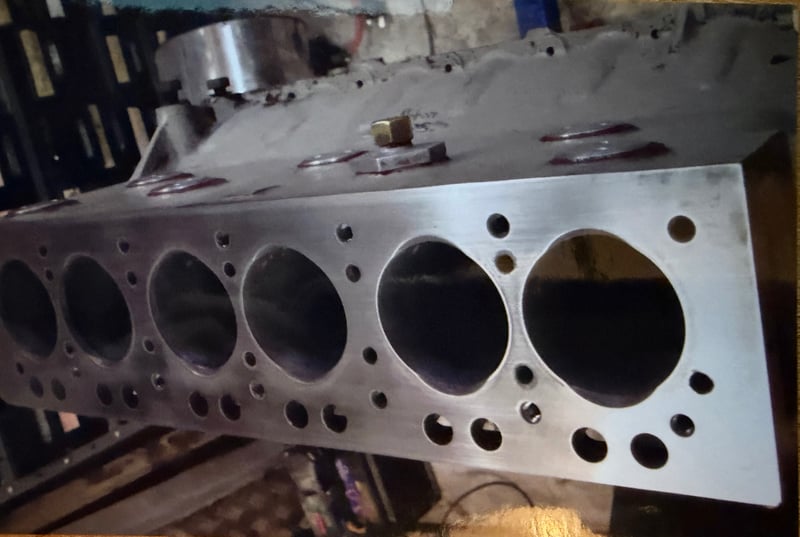
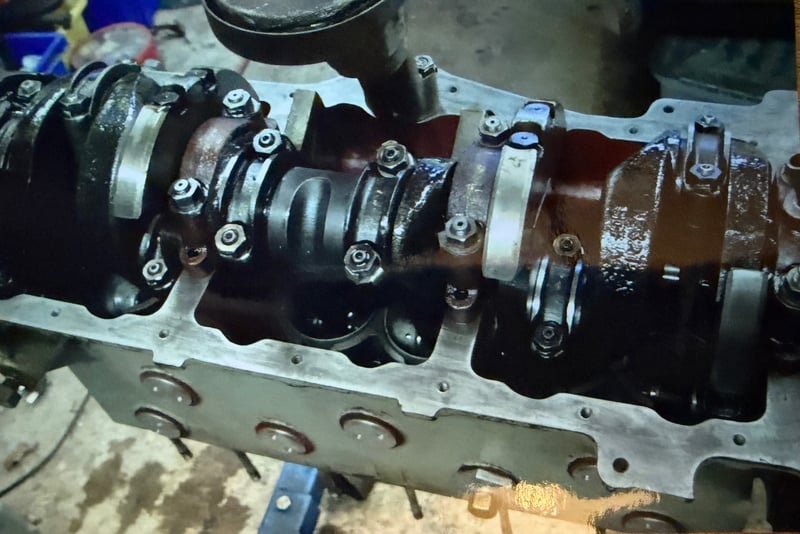
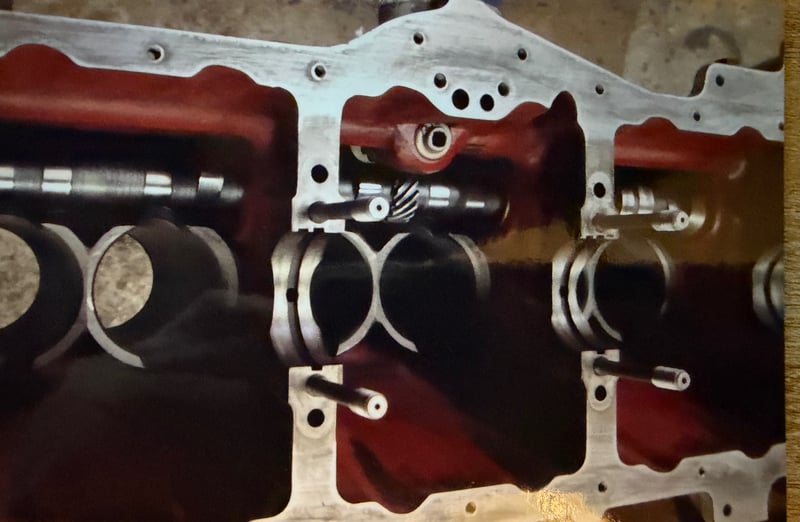
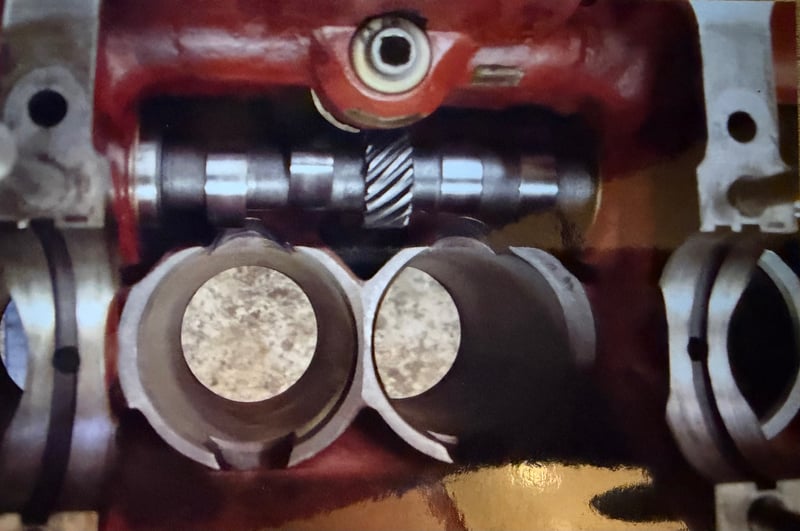
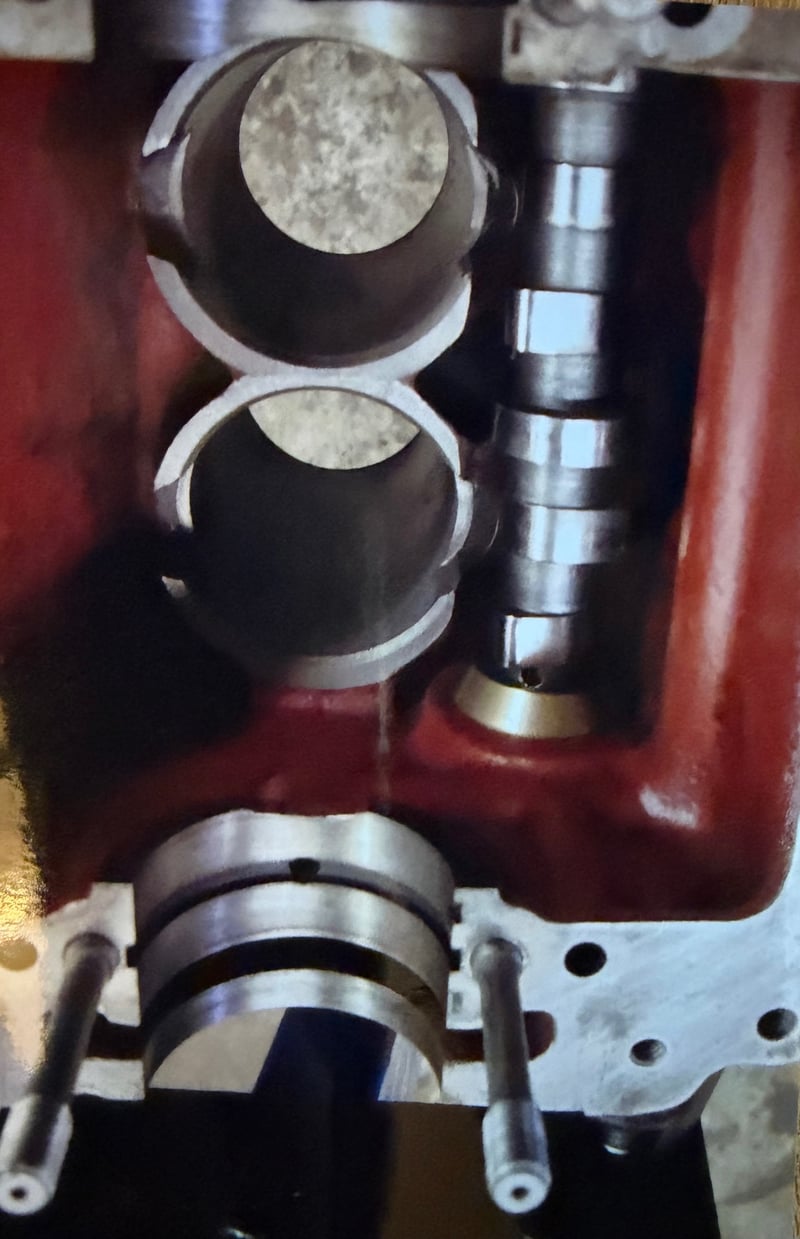
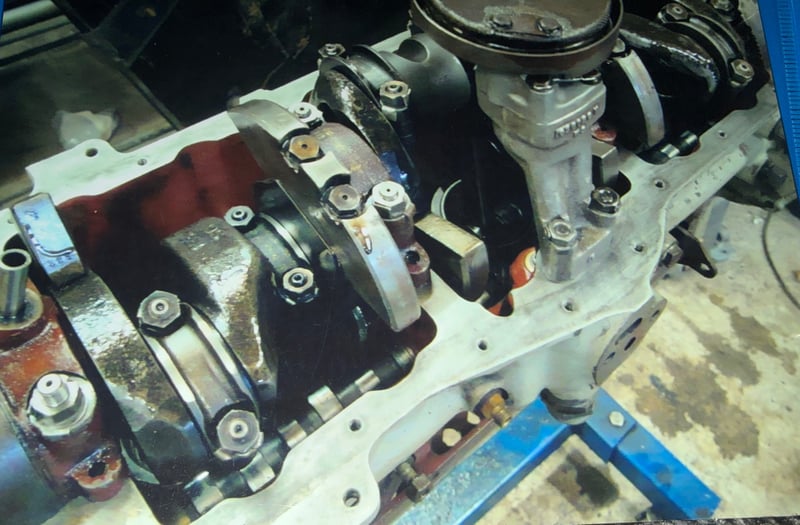
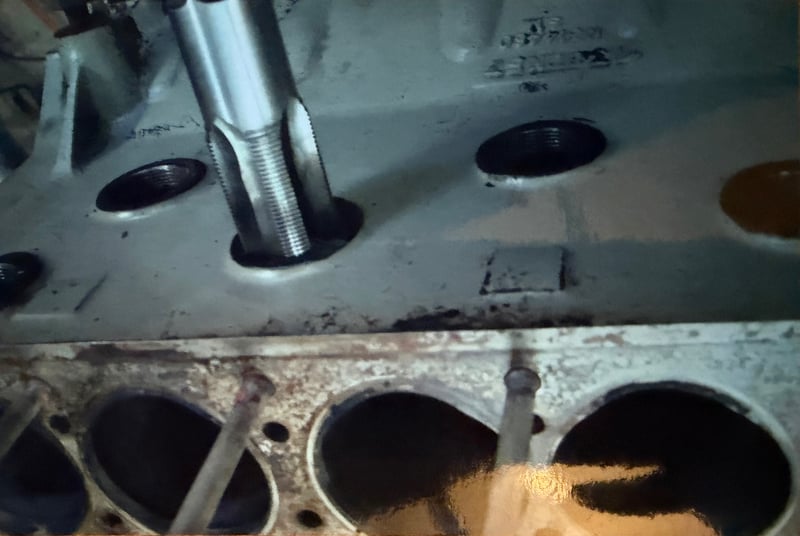
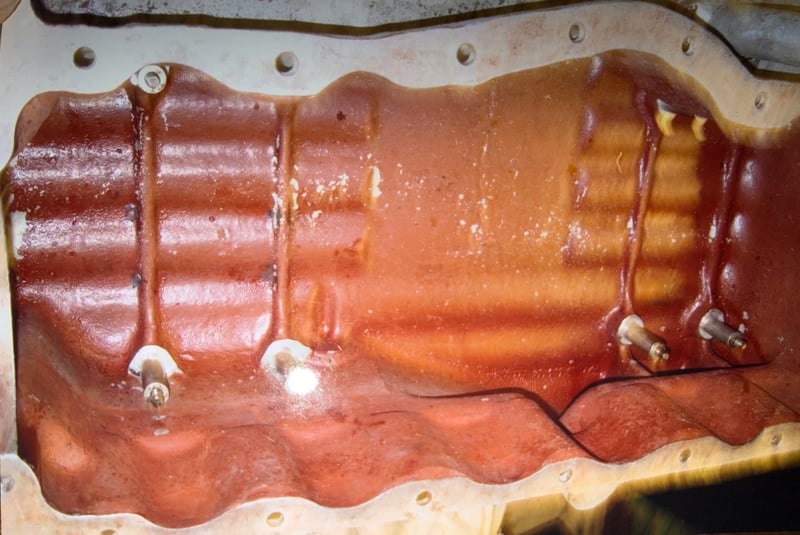
Those figures were earned with the engine in pieces. The photographs below were taken during the rebuild of the Bristol six, and they show the parts of the unit an owner almost never sees: the bare block freshly machined, the crankshaft down on its main bearings, the camshaft and its followers in the crankcase, and the bottom end built back up with its oil pump and sump. Together they are the best possible answer to the question every buyer of a Bristol-engined Aceca should ask: what was actually done, and to what standard.
The Bristol two-litre is a cross-pushrod design, and the layout is visible in these pictures. The camshaft sits low in the block and works the inlet valves through short pushrods on one side and the exhaust valves through long pushrods that cross the head to the far side. It is an expensive, beautifully made arrangement, and it is why a proper rebuild is a specialist job rather than a weekend in the garage. Anyone contemplating similar work should read the Bristol engine guide and the notes on setting the valve clearances.
On the road
The Aceca-Bristol was built to be driven, and driven hard. Beneath the hand-formed aluminium sits a light tubular frame with all-independent, transverse-leaf suspension and near 50:50 weight distribution, and period road testers reckoned most drivers would run out of talent long before the car ran out of grip. In its day it was cross-shopped against the Aston Martin DB2 and the Bristol 404 as a refined grand tourer rather than a stripped-out sports car, and that is still how it feels from behind the wheel.
The heart of it is the Bristol six. On the move the oil pressure sits reassuringly high, and the engine is transformed above 3,000 rpm: below that it is torquey and civilised, but wind it out and it comes alive, throaty and eager in the way only a well-sorted straight-six can be. This is exactly the character the marque's specialists describe, an engine that thrives on revs and dislikes being laboured low down, and in UBR 135 the Stanton rebuild only sharpens it. The extra power over standard tune tells most at the top of the range, where the car feels genuinely quick and, more than that, willing: an engine that wants to be driven rather than merely wafted along.
The steering is unassisted, worm-gear and heavy at a standstill, as it should be, but it comes into its own with speed: precise, well-weighted and planted, holding a chosen line at a high-speed cruise without fuss. Combined with the low weight and the balanced chassis, it gives the confident, predictable handling the Aceca has always been praised for.
Inside, it is a lovely place to be. The Beige leather seats and period-original trim, the burr walnut across the dashboard and the wood through the cabin all speak to the Aceca's billing as a grand tourer with rather more luxury than the AC Ace. It is a car built to cover long distances in comfort, which is precisely what UBR 135 has done, with some 7,000 continental miles across Spain and France to its name, and it remains stunning in its glorious original Black Pearl.
Why it matters
Matching numbers, an unbroken and well-evidenced history from 1958, and an engine that is both period-correct and quietly exceptional, that combination is what separates a good Aceca-Bristol from a memorable one. Of the 328 Acecas built, only 169 carried the Bristol engine; UBR 135 is one of them, and one of the better-documented survivors.

About the author
A lifelong classic-car enthusiast in North Yorkshire, near Thornton-le-Dale, who owns and maintains an AC Aceca, writing the single-model reference he always wished existed. Read the full bio.