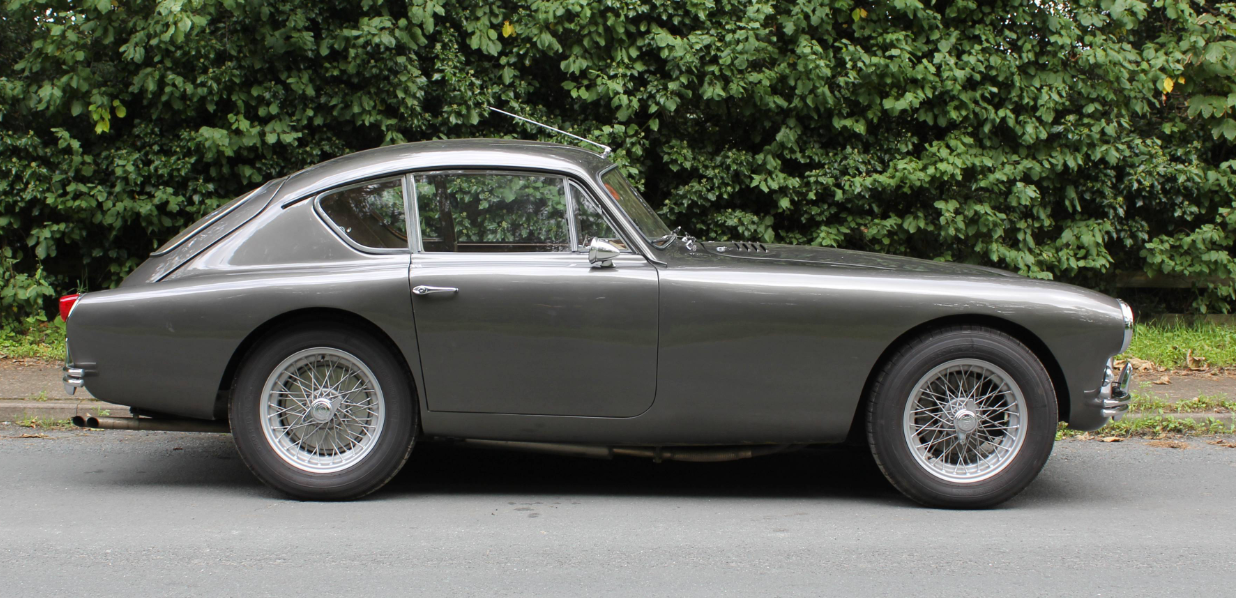
The Aceca-Bristol, the one the market wants
The Bristol-engined car is the most desirable and the most liquid of the three, thanks to its superior engine and competition pedigree. As a broad guide, good examples have generally traded somewhere between the low-£30,000s for a rough or project car and around £220,000 for the very best, with "average" cars often discussed around the £100,000 mark; recent international sales have frequently fallen in the roughly $130,000 to $165,000 range. These figures move with the market and with each individual car's history, so always check current auction results rather than relying on a headline number.
The Aceca (AC engine), more affordable, more original
The AC-engined car typically sits a little below the Bristol in value, reflecting its gentler performance, but it is no less charming, and a well-sorted, original example is a serious car in its own right, with good cars regularly carrying six-figure asking prices. For a buyer who wants the purest, earliest form of the Aceca rather than outright pace, it can represent better value.
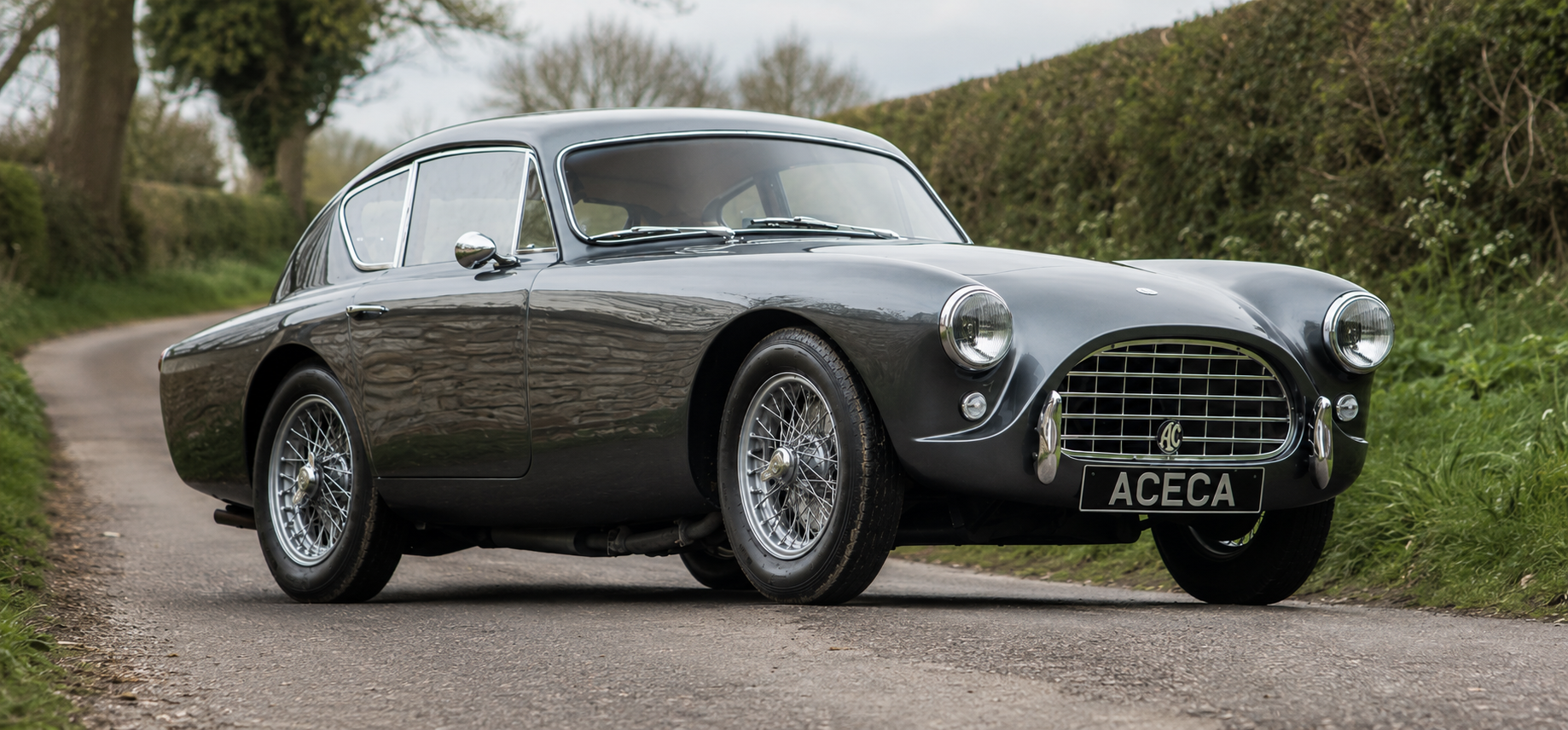
The Aceca 2.6, rare beyond pricing
With only eight built, the Ford-engined 2.6 trades so seldom that there is no reliable public price series at all. Its extreme rarity and its direct link to the Cobra make it highly prized, but any valuation is genuinely case-by-case and depends heavily on originality and provenance.
“Remember: the open Ace roadster, especially the Bristol, is worth far more than the coupé, so the Aceca is the more attainable way into a Bristol-engined AC.”
Recorded auction results
Published auction results are the only public evidence of what Acecas actually change hands for. Each figure below is taken from the auction house's own lot page and includes buyer's premium where the house states it; follow the links to read the full catalogue description and condition notes. For the full dated table, fifteen sourced results from 2013 to 2026, price bands by variant and a note on what could not be verified, see AC Aceca prices and auction results.
| Sale | Car | Chassis | Result |
|---|---|---|---|
| Bonhams, Quail Lodge, Aug 2017 | 1957 Aceca-Bristol | BE603 | US$192,500 |
| Bonhams, Goodwood FoS, Jul 2019 | 1957 Aceca | AE511 | £92,000 |
| Iconic Auctioneers, Silverstone Classic, Jul 2019 | 1958 Aceca-Bristol | - | £101,250 |
| Gooding & Company, Amelia Island, 2020 | 1960 Aceca | AEX732 | US$95,200 |
| Bonhams, Goodwood Revival, Sep 2021 | 1960 Aceca | BE785 | £80,500 |
| Bonhams, Scottsdale, Jan 2023 | 1958 Aceca-Bristol | BE662 | US$140,000 |
| Gooding & Company, 2026 | 1958 Aceca-Bristol | BEX693 | €92,000 |
| Bonhams, Greenwich, May 2026 | 1958 Aceca | AE650 | US$108,640 |
Taken together, standard AC-engined Acecas have recently settled in a roughly £60,000 to £100,000 (US$80,000 to US$135,000) band, while good Aceca-Bristols have run from about US$100,000 to a high of US$192,500 at Bonhams Quail Lodge in 2017. For comparison, Hagerty's published price-guide value for a car in "good" (#3) condition sits at US$85,600 for a 1959 Aceca and US$135,000 for a 1957 Aceca-Bristol. No public auction result could be found for a genuine Ford-engined Aceca 2.6, the "2.6" results that circulate are almost always the open AC Ace 2.6, a different car.
What moves the price
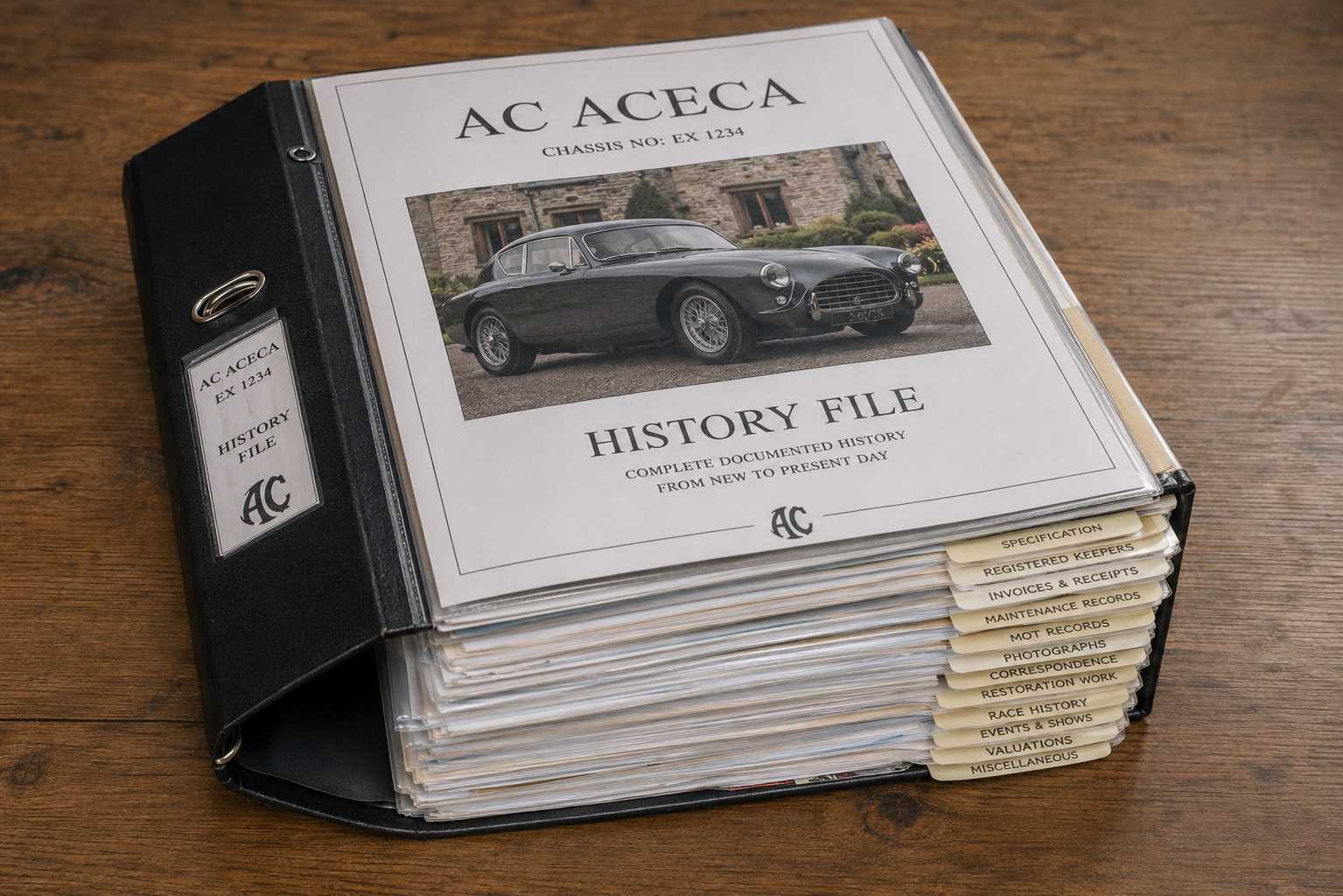
Beyond the engine, the biggest value factors are originality (matching-numbers cars command a clear premium), documented history and provenance (period competition history or an unbroken ownership record adds a great deal), the quality and honesty of any restoration, and configuration, with subtleties such as right- versus left-hand drive mattering to different buyers in different markets. A tidy, honest car with a thick history file will almost always beat a superficially shinier one with an unknown past. Note too that even unfinished project cars now command serious money, so a "cheap" restoration candidate is rarely genuinely cheap once the work is costed.
This is market context, not financial advice. Values change; verify against current sales. For where these cars actually come up and how asking prices compare with hammer prices, see the for-sale and what-to-pay guide. Once you've settled on a figure, the insurance guide explains how to lock it in as an agreed value with a specialist insurer.