Change brake fluid and bleed the system
Brake fluid absorbs water from the atmosphere and should be renewed every two years or so. Old fluid drops the boiling point of the system, causing a spongy pedal or fade under repeated braking. The job is straightforward with two people and takes an hour.
Tools
- Bleed nipple spanner of the correct size
- Clear plastic tube to fit bleed nipples
- Clean glass jar
- Rags
Parts / supplies
- Fresh DOT-specified brake fluid (see workshop manual for grade)
- New bleed nipple dust caps
Procedure
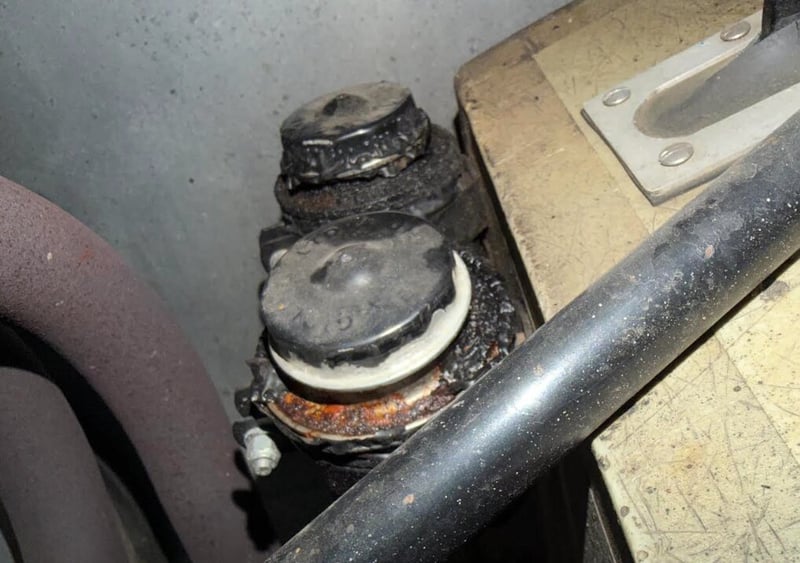
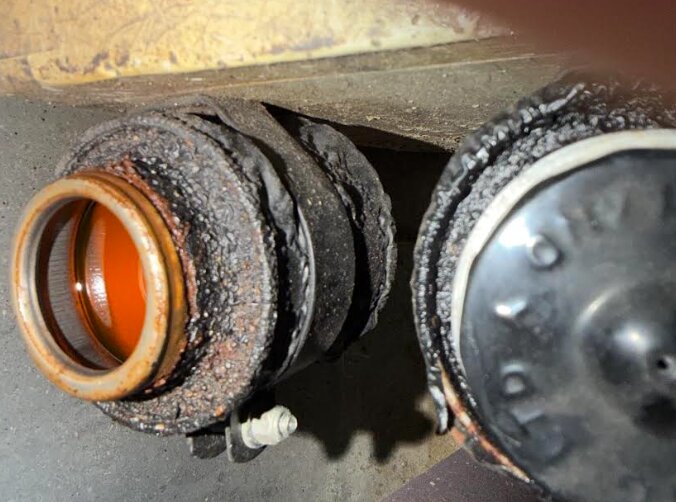
Top up the master cylinder reservoir with fresh fluid. Do not let it run dry at any point during the procedure.
Starting at the wheel furthest from the master cylinder, fit the tube to the bleed nipple with its far end submerged in a jar of fresh fluid.
Helper presses and holds the pedal. Open the nipple half a turn; fluid and any air escape into the jar. Close the nipple before the pedal is released.
Repeat, topping up the reservoir every few strokes, until only clean bubble-free fluid emerges.
Move to the next furthest wheel and repeat until all four corners have been bled.
Check pedal feel: firm and rising. Refit dust caps. Road-test gently on a quiet road to confirm.
Warnings
- Brake fluid strips paint. Wipe up spills immediately with plenty of water.
- Never let the master cylinder run dry during bleeding. You will introduce air right through the system.
- If the pedal remains spongy after bleeding, stop. There is a system fault (leak, master cylinder, collapsed hose) and this is specialist territory.
Related faults

About the author
A lifelong classic-car enthusiast in North Yorkshire, near Thornton-le-Dale, who owns and maintains an AC Aceca, writing the single-model reference he always wished existed. Read the full bio.
Last updated . First published .